BEFORE 1900
White, and dresses for all
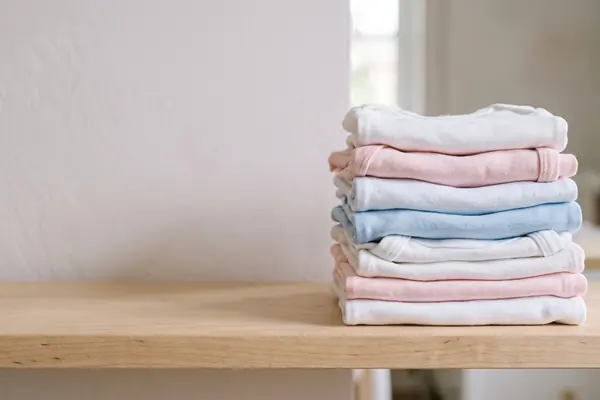
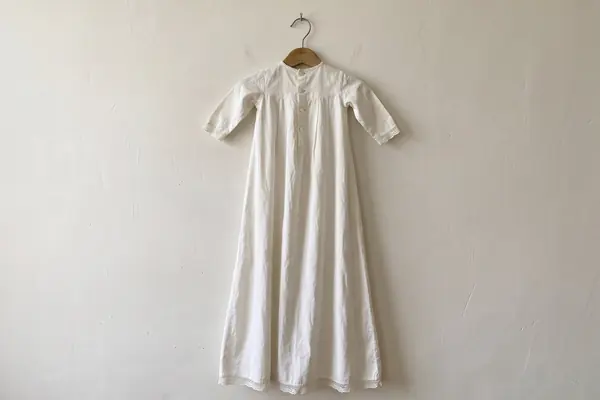
Victorian boys wore dresses until about age 6 or 7. White cotton was practical because it could be bleached, a historian told Smithsonian.
Pick an era
 doodlepretty
A SHORT HISTORY OF PINK
PINK & BLUE a 20th-century rule
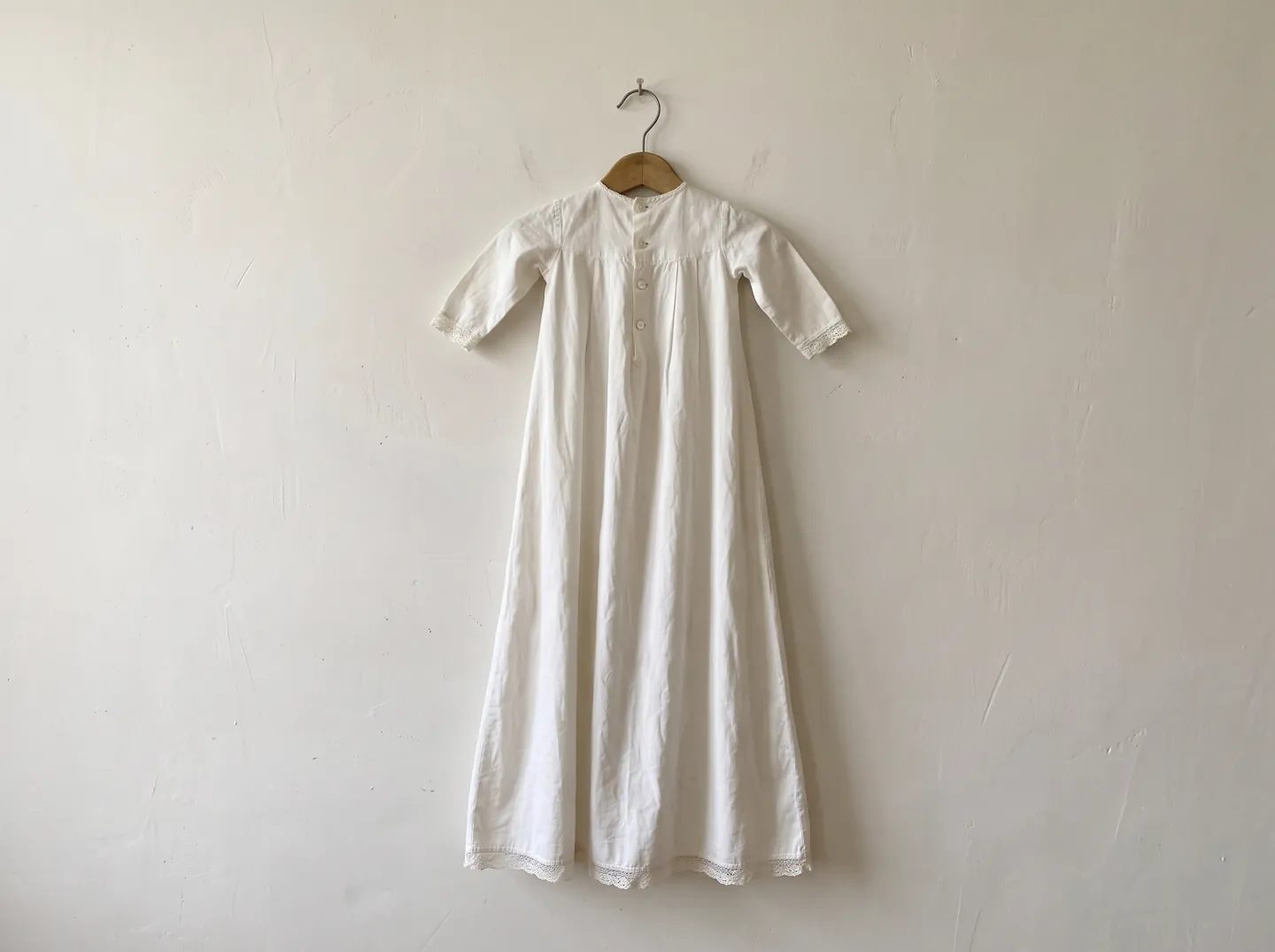
Babies used to wear white.
Pink and blue became popular baby colours in the 19th century, but for decades the advice on who should wear which was mixed. Historians, museum curators and psychologists have pieced together when the modern rule took hold, and when children themselves start to care.
Updated
Pick an eraTHE SHORT ANSWER
The pink-for-girls habit grew through the 20th century.
Children start to show it at about two and a half.
BEFORE 1900
Victorian boys wore dresses until about age 6 or 7. White cotton was practical because it could be bleached, a historian told Smithsonian.
Pick an era1918 TO 1930s
A 1918 trade paper said pink for the boy, blue for the girl. Other sources tied colours to hair or eye colour instead.
See the numbersTODDLERS
In a study of 192 children, girls only began to favour pink objects at around two to two and a half, as they became aware of gender.
Read the studyPICK AN ERA
Choose a period. The bar shows how strongly baby and children's clothes were coded pink for girls and blue for boys at the time, going by the historians and curators quoted here.
Mostly from US and UK sources; colour customs vary widely between cultures.
TWO NUMBERS WORTH KNOWING
One count from old newspapers,
one finding from a study of young children.
34 vs 28
Standard vs reversed pink-blue coding found
Psychologist Marco Del Giudice found inconsistency, though not a full reversal, in US newspapers and magazines. Books from 1880 to 1980 showed the standard coding far more consistently.
NEWSPAPERS 1881-1930 · DEL GIUDICE
2½ years
Age when girls clearly favoured pink objects
By age four girls chose pink just under 80% of the time. Boys picked it less and less, reaching about 20% at age five.
CHILDREN · LOBUE AND DELOACHE 2011
In the study, 192 children aged seven months to five years reached for one of two identical objects, one always pink and the other green, blue, yellow or orange.
FOUR THINGS TO KNOW
None of this tells you what to dress a baby in. It shows how recent, and how changeable, the pink and blue habit is.
Practical white cotton, which could be bleached, was the usual choice for babies before the colour rules set in.
Del Giudice's search of millions of books found the standard coding far more often than the reverse.
Curators place the take-off of pink-for-girls in the US in the 1950s.
Under two, children in the study showed no pink preference; differences appeared as they became aware of gender.
PRETTY IN PINK
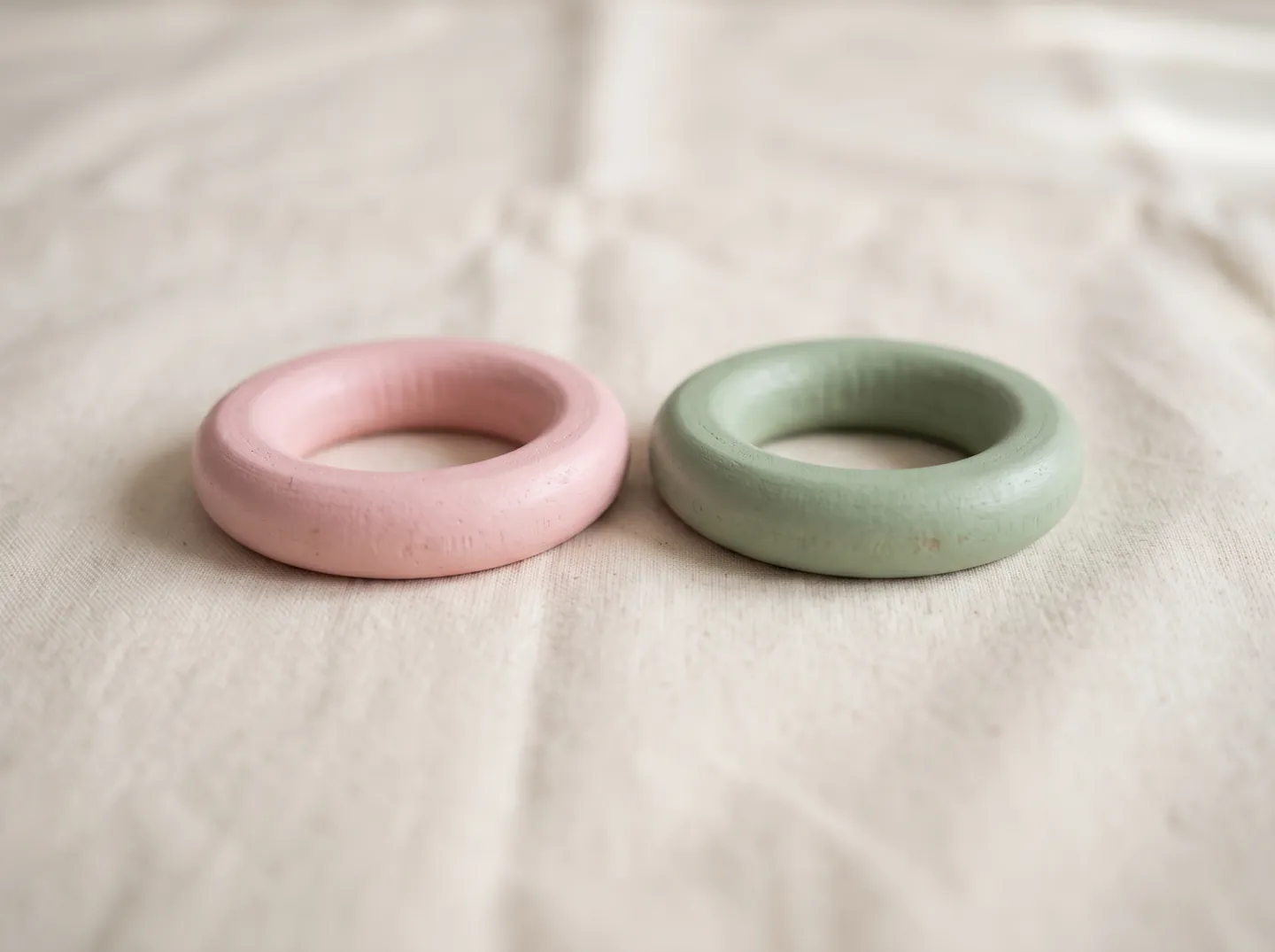
Vanessa LoBue and Judy DeLoache's 2011 paper, titled Pretty in Pink, offered children pairs of identical small objects such as coasters and plastic clips that differed only in colour. Under the age of two, girls and boys chose pink about as often as each other.
A second experiment with 64 children aged two to three found both sexes chose pink around half the time before two and a half, with a pro-pink bias in girls and an anti-pink bias in boys after that. The authors argued this undermines the idea of an innate preference.
Questions
Some early 20th-century sources said so: a 1918 trade publication called pink stronger and more suitable for boys. But a large search of US books found the standard pink-for-girls coding far more common, so those quotes were not the general rule.
White cotton was practical because it could be bleached, dress historian Jo Paoletti told Smithsonian. Victorian boys and girls alike wore dresses when young.
The Museum at FIT says the stereotype only really gained traction in the US in the mid-20th century, taking off in the 1950s.
In LoBue and DeLoache's study, girls began choosing pink objects more often than boys at about two, with a clear preference by two and a half.
No. The Museum at FIT exhibition showed that the symbolism of pink has varied greatly across world history and between cultures.
Sources
ABOUT THIS NAME
doodlepretty.com is part of the DoodleSale portfolio. It isn't in an auction right now, but you can ask about leasing it.